What If the AI Bubble Crashes? Why a Doctor Who Failed in Two Crashes Doesn't Worry About Today's High Stock Prices

No video for this article
Contents
"People are calling it an AI bubble. Is it really okay to buy stocks now?"
The Nikkei average (Japan's main stock index) has risen from the ¥30,000s to the ¥70,000s in just over a year, and I think many people feel this way.
I started investing in 2020 and have been through two crashes so far. One was the COVID crash. The other was a "personal crash," in which only my assets were cut in half while the market kept rising.
In this article, I look back on what I was thinking at those times, and write about how I see today's high stock prices and how to approach a crash if one comes.
Conclusion
Honestly, I think it doesn't matter whether stock prices go up or down.
I think stock prices are high right now, but I don't know what will happen next. So I don't spend time on it, and I keep investing regularly. The only exception is money I will definitely need within a few years. I don't put that into stocks.
The 2020 COVID Crash
At the start of 2020, I was a student. I began investing with about ¥1 million that I had scraped together from part-time jobs, and I put all of it into a single stock, KADOKAWA.
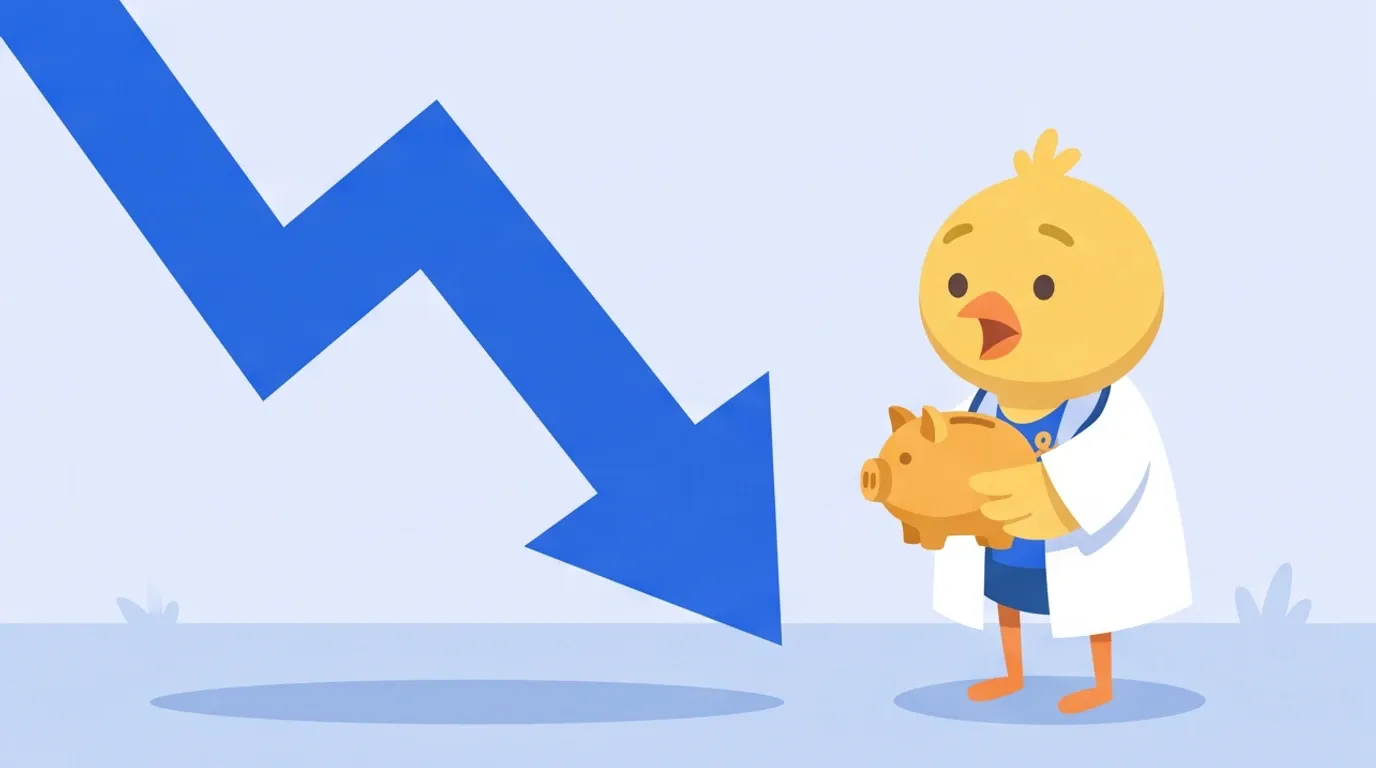
I was enjoying watching the value of my holdings rise by several thousand yen a day when the COVID crash hit. At one point, the stock fell by more than 40%.

My mind went blank, but I couldn't bring myself to sell either. I just hoped it would go back up.
The stock recovered surprisingly quickly, within a few months. When it came back to roughly what I had paid, I breathed a sigh of relief and sold.

After that, the stock kept climbing. Helped by an investment from Tencent and growing earnings, by November 2021 it was about three times its January 2020 high. Seeing that, I also felt frustrated.
The 2024 Personal Crash
After that, I got used to trading and started making profits. I thought I could analyze the market, and I became quite full of myself.
Once, the market dropped sharply right after Fed Chair Powell said he would fight inflation. I had just taken a short position with CFDs (contracts for difference), and my assets more than doubled. I think the taste of that success played a part too.

Around August 2024, after looking at various indicators, including signs of a recession, I concluded the market was too high. So I shorted the Nasdaq.
But the market just kept rising after that. Even so, I kept thinking, "It's bound to fall eventually."
Unlike the first time, my mind didn't go blank. I was trading on the belief that I was right and the market was wrong.
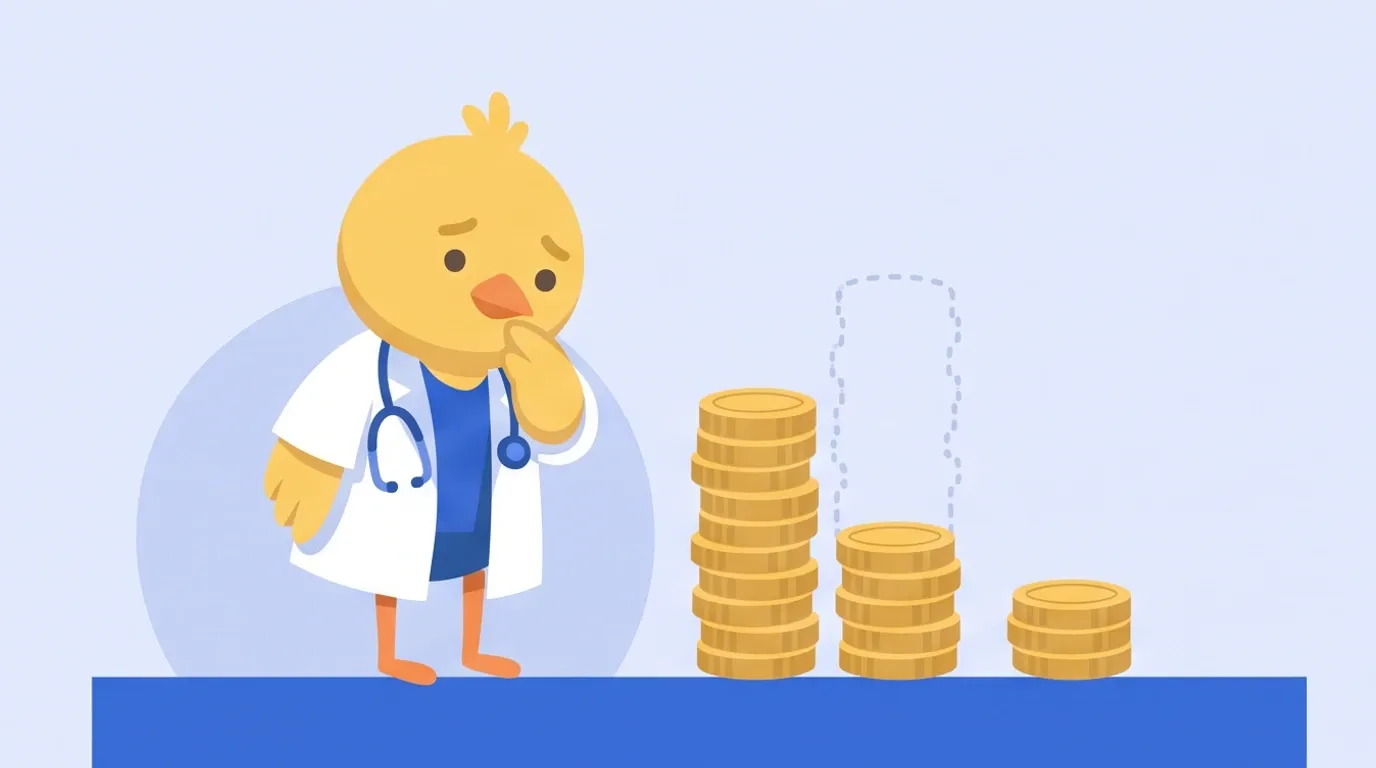
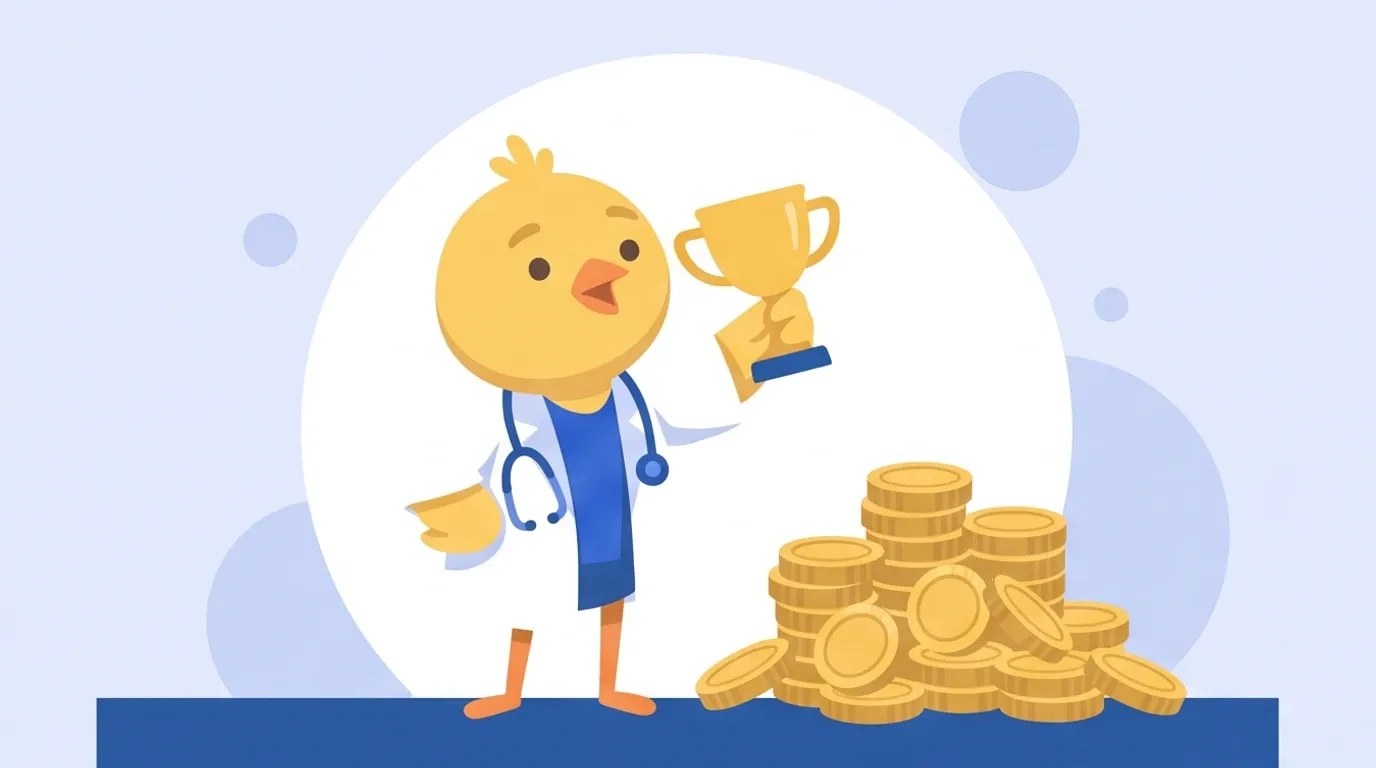
There were chances to change my mind, such as indicators of market liquidity. Still, I never set a line for pulling out, and I was convinced I was right. After holding the position for about six months, I finally closed it without it paying off, and my assets were roughly halved.
Looking back, the first time I was unprepared, and the second time I was overconfident. But precisely because I have been through two crashes, I think that if another one comes now, I can handle it emotionally.

I Think Stock Prices Are High Now

So how do I see today's high stock prices, which the media is calling expensive? Honestly, I think they're high too.
The Shiller P/E ratio for US stocks (the stock price divided by average earnings over the past 10 years) is about 41 as of October 2026. That's even higher than the roughly 35 in August 2024, when I shorted the Nasdaq.
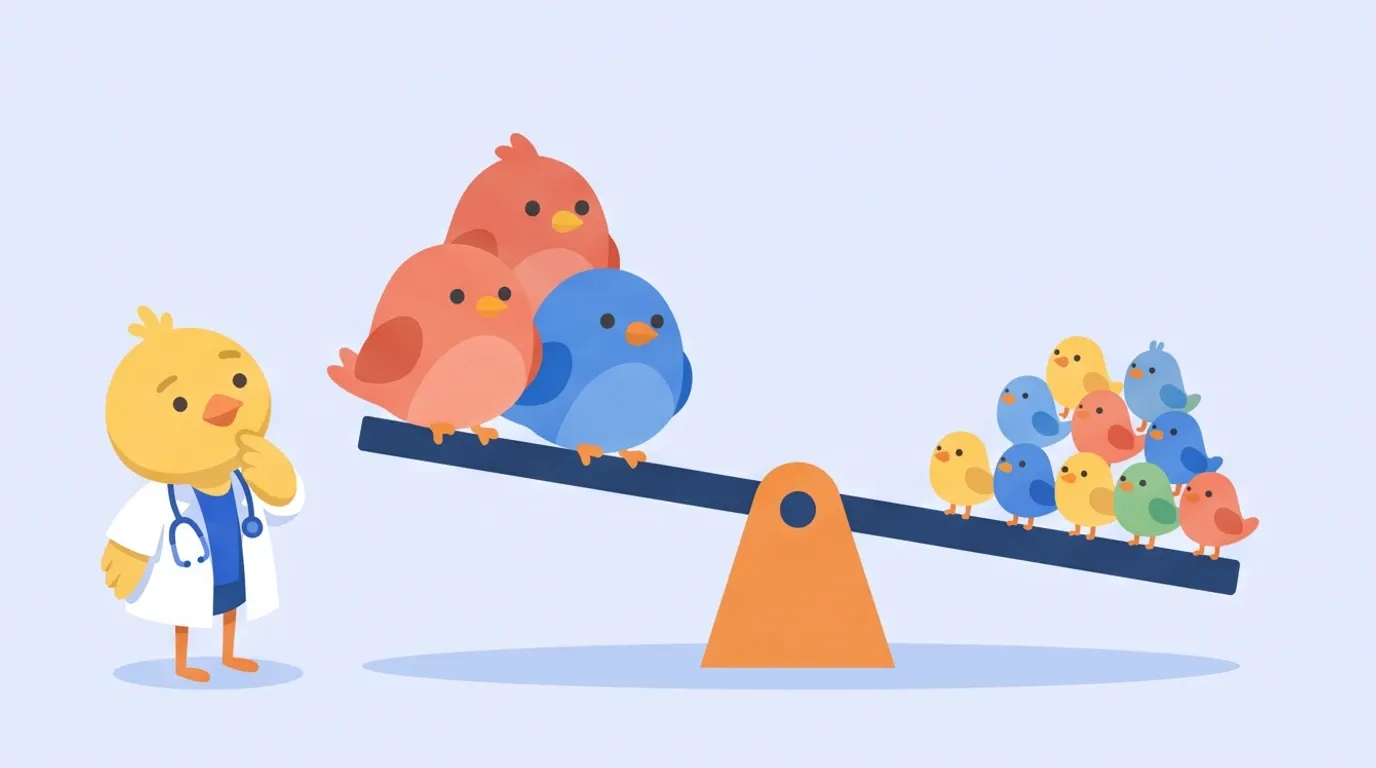
Historical data shows that when you buy while the Shiller P/E is high, returns over the following 10 years tend to be low.
On top of that, a handful of AI-related companies such as Nvidia make up about a third of the total market value of US stocks.
I'm skeptical about whether the companies that build AI will actually make money.
I use AI quite a lot. My main one is Claude, and I combine it with ChatGPT and Gemini. I also make the videos for this blog almost automatically.
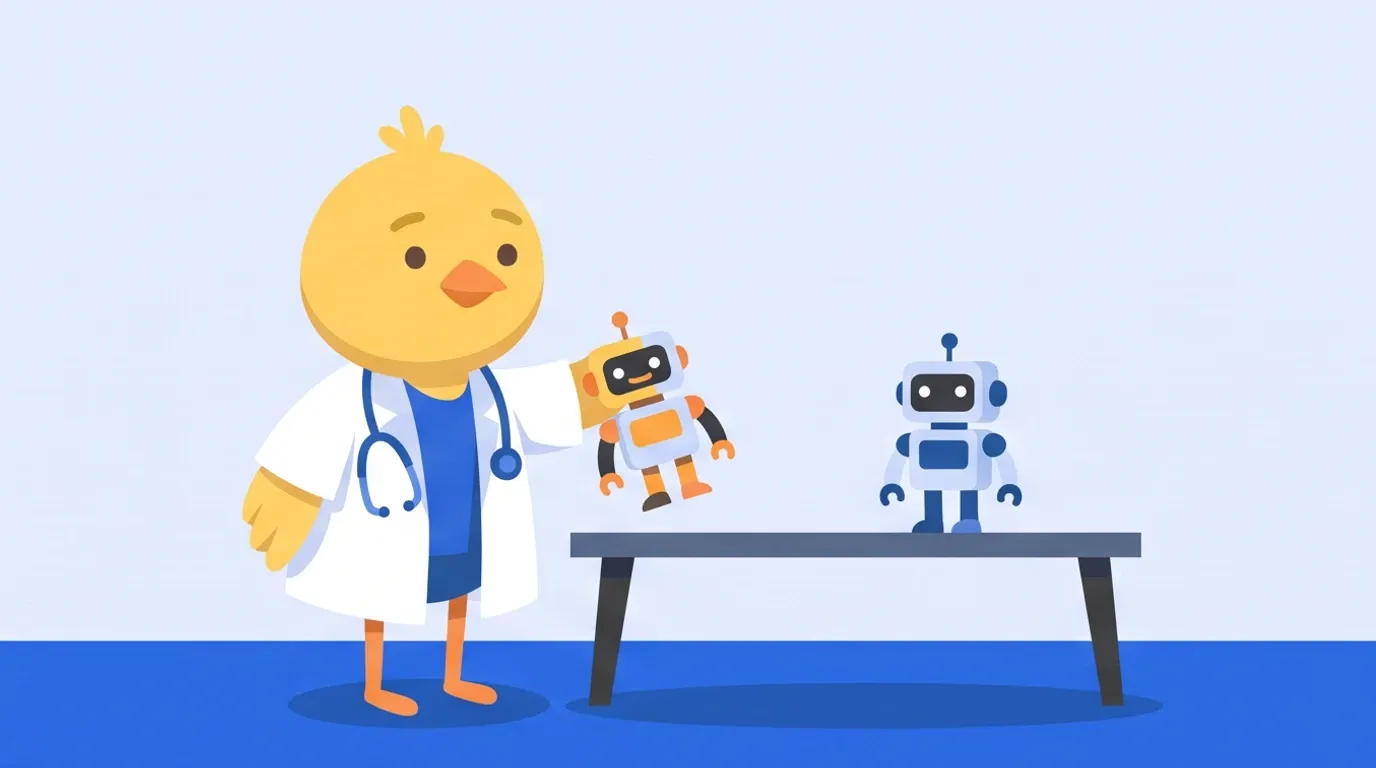
From the user's side, any AI will do as long as it performs well enough. The only reason I mainly use Claude right now is that ChatGPT would cost the same.
Unlike the iPhone or Gmail, you aren't locked in by habit or data. So if cheaper models, such as Chinese ones, catch up, I plan to switch.
If users can switch so easily, how will these companies achieve high profit margins?
I can't see an answer to that.
Of course, you can't tell whether something is a bubble until it bursts. But I think it wouldn't be strange if this were a bubble.
Even if prices fell 40–50% and then stagnated for about 20 years, I wouldn't be surprised.
I Invest Regularly Because I Don't Know
That said, I don't assume this view is right, either. In 2024, too, I lost because I was convinced I was right.
AI may go on to earn enormous profits, leaving behind only the people who didn't believe it would.
Prices can also rise for reasons you never even saw coming.
When I shorted the Nasdaq, interest rates had started rising and things looked shaky, but the AI boom came along at the same time and the market went up.
I don't put much trust in my own predictions, and in the end, all I can say is that I don't know.
That's exactly why I still recommend regular investing in index funds. My recommendation from the previous article hasn't changed.
Watching the market and making decisions every time is a hassle, so I think it's better to keep doing something you can do without thinking.
However, I do think there's a fair amount of risk that prices will fall. Please don't put money you will definitely need within a few years into stocks. Keep it in Japanese government bonds for individual investors or in a savings account.
I Won't Worry Even If There's a Crash
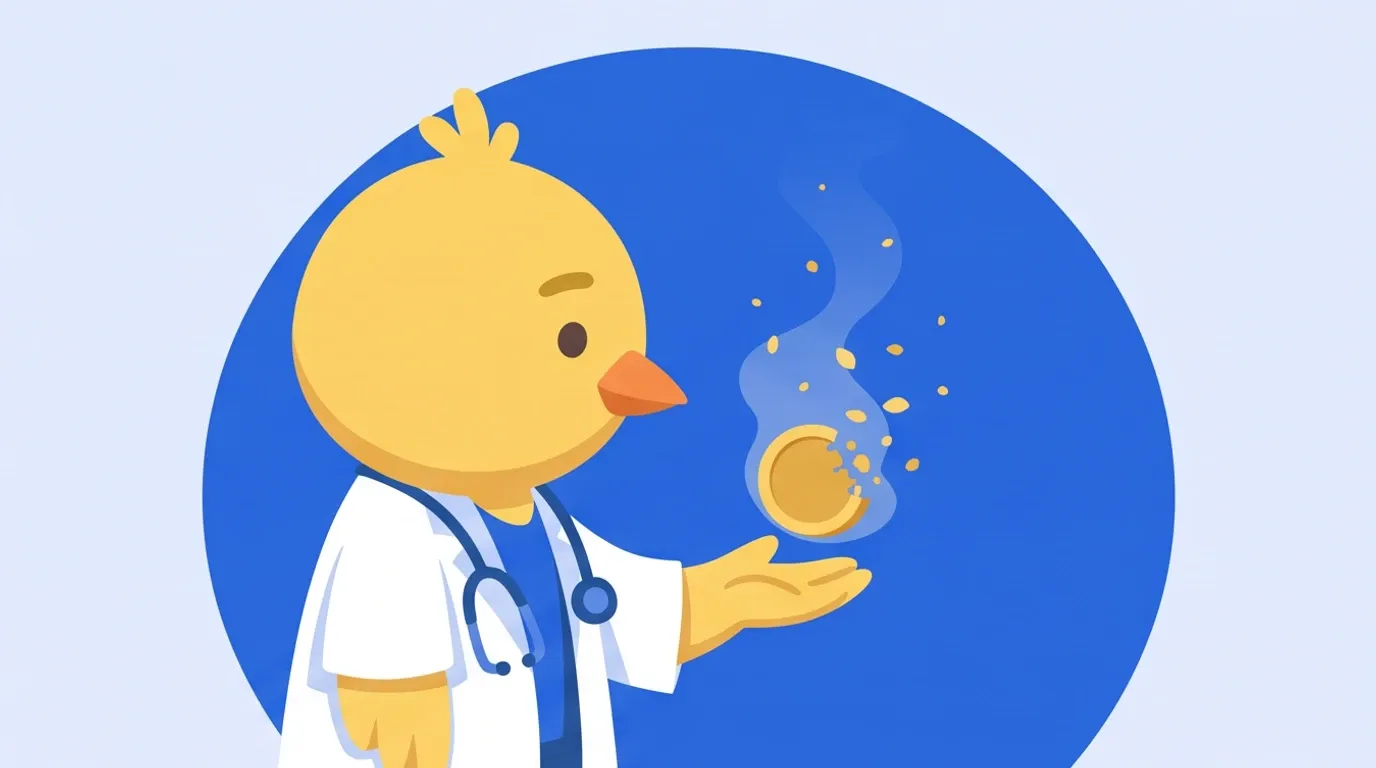
Even if there were a crash, I don't think I'd worry about it. That's because I see financial assets as something like mist.
Financial assets are nothing more than a place to keep the money left over after you earn it.
To take an extreme example, if the country fell into decline, deposits might be frozen, as happened in Japan after World War II. If that happened, it wouldn't matter what you held.
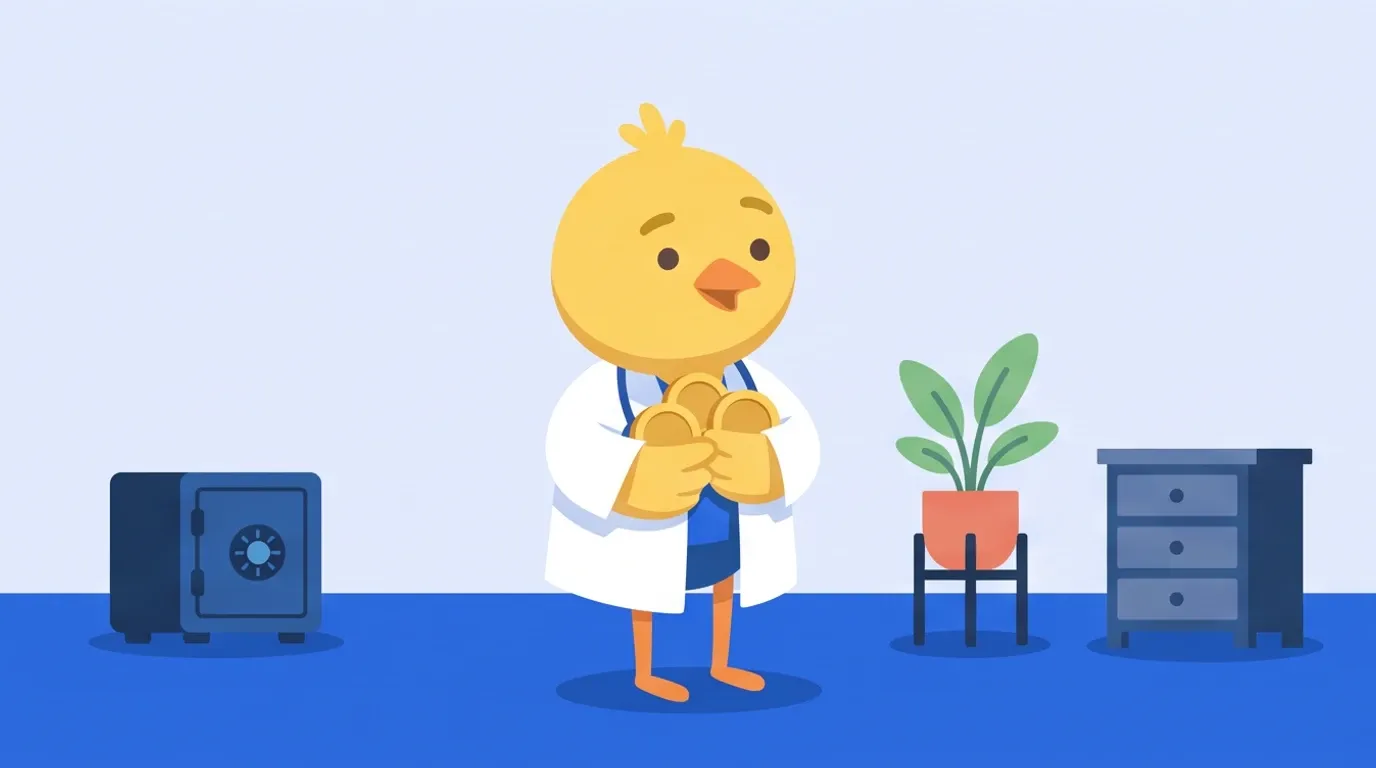
Still, leftover money has to be kept somewhere.
As a place to keep it, stocks are what's easy to recommend to everyone. The system is well established, there's plenty of information, there are few decisions to make, and in terms of expected value, they actually produce something.
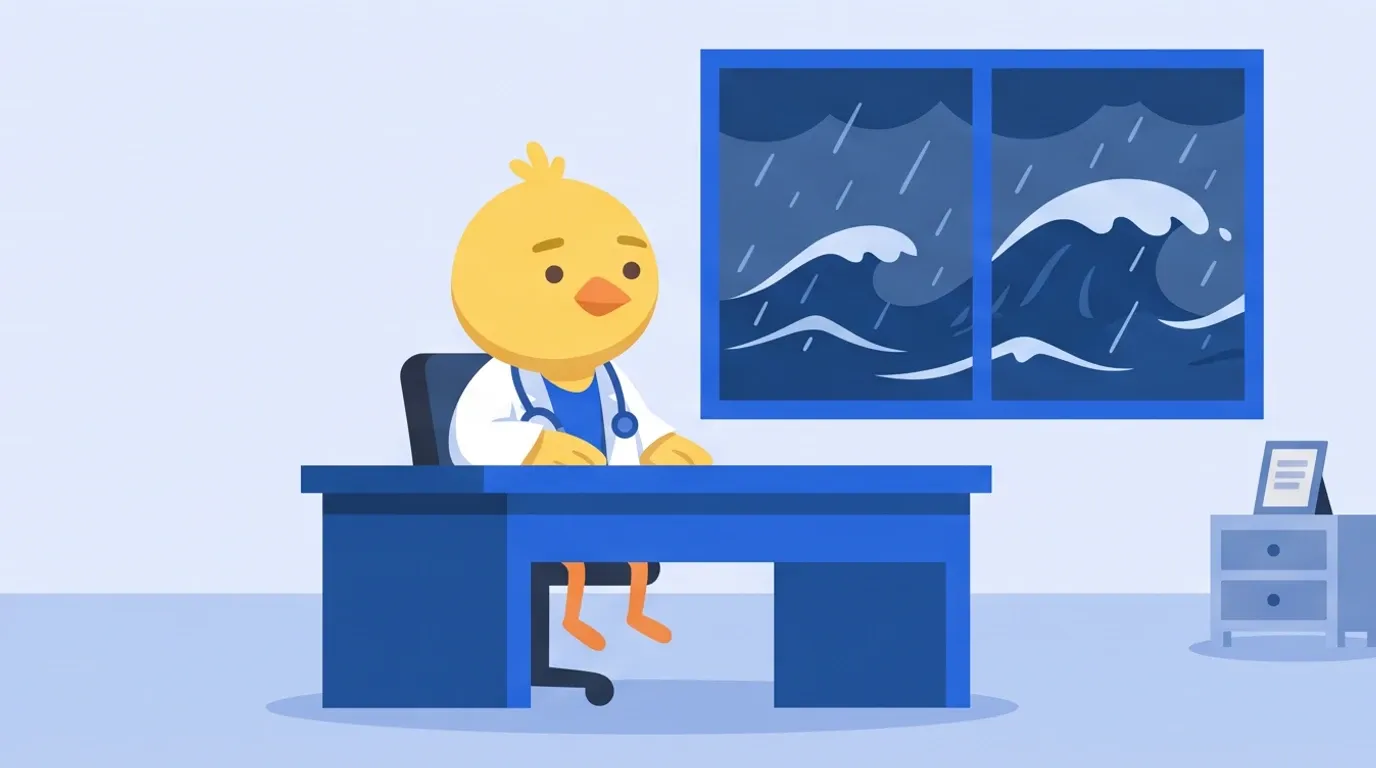
Especially for doctors, pay is stable, for better or worse.
Even if something like the 2008 financial crisis happens, you won't get fired, there's work everywhere, and your pay probably won't go down. There's no need to fear a crash.
What's actually frightening is prices continuing to rise, or everyone around you getting richer while you become relatively poorer.

What everyone holds is basically stocks, so if you hold stocks, you can keep up with everyone else.
On the flip side, if a crash hurts you along with everyone else, your relative position doesn't change.
I think that's all stocks are. I even find myself thinking that if everyone's financial assets were wiped out, maybe that would be fine in its own way.
Up or Down, Either Is Fine

To sum up, in my two crashes, I froze up the first time and clung to my own judgment the second time. Having been through that, I now think stock prices are high, while also thinking I don't know what will happen next.
Fundamentally, it doesn't matter whether prices go up or down, so please don't spend your time on it.
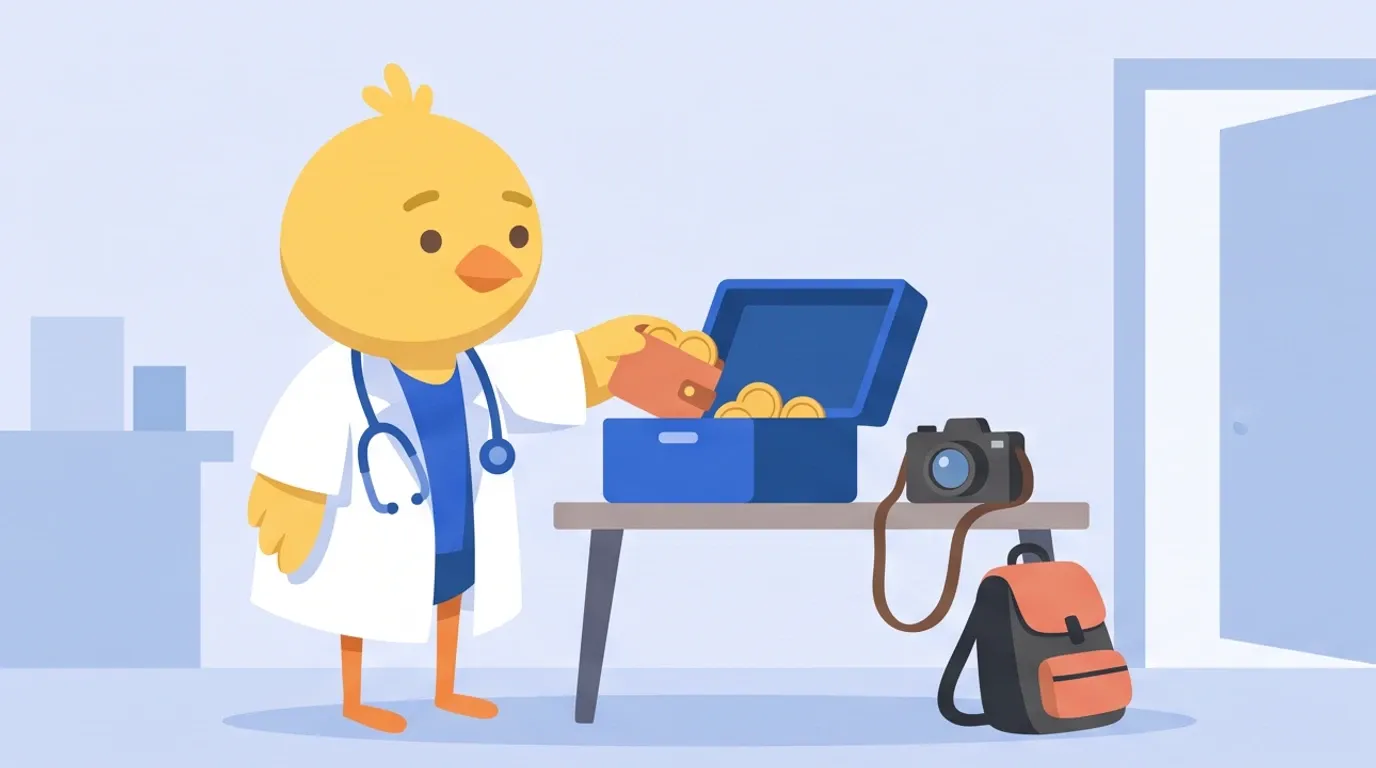
Honestly, your earning power, saving on taxes, and cutting costs have a far bigger effect than the ups and downs of stock prices. I've written about each of these in separate articles.
If you have time to worry about stock prices, I think you're better off going ahead and doing what you want to do. Once something becomes a memory, no one can take it away from you.

And the most important thing is the skill at the root of your earning power: the ability to offer something to other people.
Even if the country fell into decline and financial assets vanished like mist, skills would remain. As a doctor, you could even receive a daikon radish from a farmer in exchange for treating a cold.
With that kind of skill, you can get by even in the worst situation. Honestly, I think that matters far more than stock prices.