Freelance Doctor's Life Log
 What If the AI Bubble Crashes? Why a Doctor Who Failed in Two Crashes Doesn't Worry About Today's High Stock PricesHow I see today's high stock prices, often called an AI bubble, based on freezing up during the COVID crash and on halving my assets by shorting the Nasdaq while the market kept rising. I explain why I keep investing regularly even though I think prices are high, and why I don't spend time on the market.
 My Experience with Speculation: The Trade That Cost Me Half My Assets, and the Win That Wasn't Worth ItA doctor's experience trading stocks, FX, CFDs, crypto, and more since 2020. I look back on the trade where I shorted the Nasdaq based on economic indicators and lost about half my assets, and the trade where I bet on the market overreacting to Kobayashi Pharmaceutical's red yeast rice scandal, and explain why even the win wasn't worth it.
 How Many Days a Week Does a Doctor Need to Work? Calculating Living Costs and Savings Rate When You're Not Aiming for FIREI work out how much I need to earn each month from an estimate of my living costs and my savings rate. I cover spreading big purchases into monthly amounts, using the 4% rule and your savings rate to see how many years until you could live without working, what your earning power is worth, and how I think about things as a doctor who isn't aiming for FIRE and works about two days a week.
 Index Funds and Government Bonds Are All You Need for InvestingMy current approach: money I'll leave for a long time goes into a global index fund, money I'll use within a few years goes into Japanese government bonds for individual investors or an ordinary savings account, and I don't touch anything else. I also cover how I use NISA (Japan's tax-free investment account) and iDeCo (Japan's private pension plan with tax benefits), and work through the returns on a real estate investment.
 For Medical Students: A Loner's Survival StrategyAs someone who was a sure bet for the top of my class's loner rankings, I look back, year by year, on how I got through medical school on my own and earned my medical license. I cover how I got hold of exam materials, how I handled clinical rotations and clinical clerkships, the textbooks I used, and how I would spend those years if I did it over.
 Why I Recommend Traveling in China: The Surprising Comfort of a Surveillance Society, and Reasons to GoDrawing on a month-long trip through 11 cities from Beijing to Zhangjiajie, I cover the sense of safety from all the surveillance cameras, how I got around without speaking the language, actual prices in 2025, how convenient Alipay is, and having my power bank confiscated on a domestic flight.
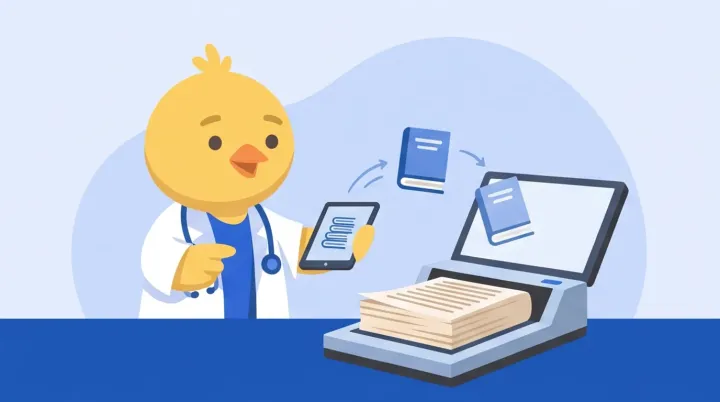 Digitizing Medical Books: Buying Pre-Cut Copies Cheaply and Turning Them into a Personal Database I Can Search with AIIf you buy pre-cut medical books on Mercari and scan them yourself, you can get PDFs for about 13% of the price of a new copy. I also explain how I use AI to extract the text, combine it with clinical guidelines, and look up clinical questions using only my own materials.
 Going Freelance from My Third Year Without Becoming a Board-Certified Specialist: Why I'm Glad I Chose It and What I Think NowThe main reason I went freelance from my third year as a doctor was to travel abroad. Now that I've done the traveling I wanted to do, I'm leaving a way of working I could keep up if it were only about money. Here is why I'm entering a specialty residency program next year.
 Going Freelance in Your Third Year as a Doctor Without Becoming a Board-Certified Specialist: Is It a Real Option?After junior residency, I didn't enter a specialty residency program and instead worked freelance for a little over a year. Here I write about the good sides and the hard sides of this path that I learned along the way. My conclusion: if you don't have a particular goal, you're better off becoming a board-certified specialist.